
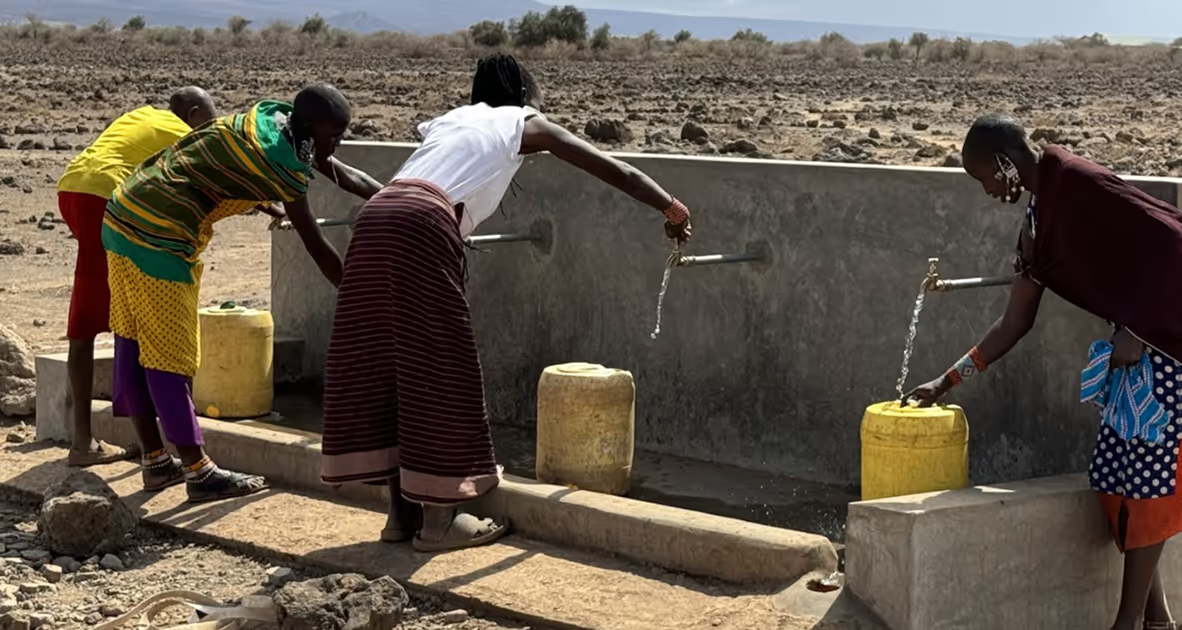
Our water interventions are cost effective at less than US $200 per person for access to clean drinking water for more than 20 years.
This is a one-off cost, including PARC project overheads and the present value of ongoing oversight and maintenance
Key to the longevity of our water projects is effective governance through a community water committee. Initially, ineffective role-holders and lack of leadership have proven a challenge. We have learned from this and invested into community trainings and ongoing mentorships to empower community groups with governance best practices and this is bearing fruit.
5,000+ people
Now have safe access to clean drinking water from 6 projects installed over the past 18 months.
136,000 litres
Of clean drinking water pumped daily.

Less time collecting water for women and children

Improved school attendance

Better hygiene

Food growing

Reduced human wildlife conflict
We grew up thinking murky river water was normal. After clean water arrived, our children became healthier and daily life improved. Now we are proud to give visitors clean water. We feel respected in our home.
A community member from Ewaso community
Before PARC, we walked hours for water, and our bodies were tired. Now the water is close to our homes, and we have time and strength for our children and our community. The water has given us our time back’
A community member from Esiteti Community
Women-Led Food Enterprises
80 woman
Trained in conservation farming
2 women
Trained in financial management
6,189 kg
Total produce harvested in 2025 for community consumption
836 kg
Total produce harvested for school feeding program
80 women
Stopped charcoal production
10 women
Have set up vegetable vending enterprises with produce from the farm to sell in their communities
Improvement
Of honey yield and taste from local beekeepers due to varieties of forage on the farm
Set-up costs for a farm in the semi-arid drylands of Kenya are high, and the cost of labour has to be supplemented for some time until harvests of cash-crops have matured.
The economic viability of the farm depends on additional income through crop processing to create high-value products (such as pickles, chutneys and herbal teas). PARC is working with local partners to offer relevant trainings to the Chui Mamas and to establish local markets through hospitality and tourism operators.
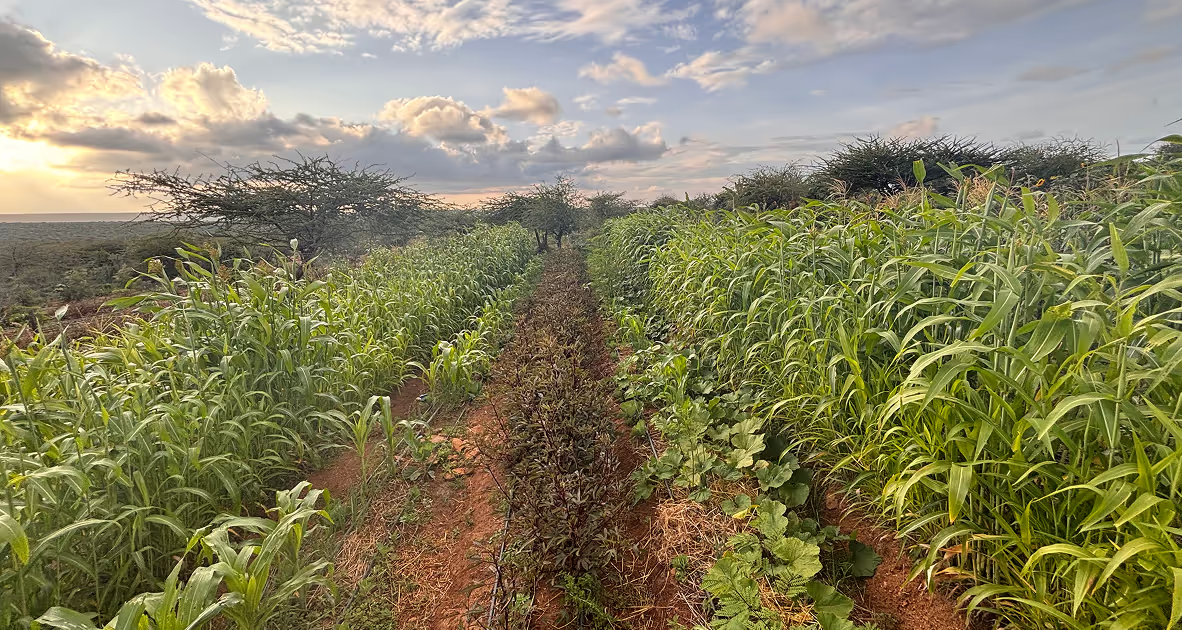
Whether regenerative farming practices can be adopted more widely beyond the farm itself depends in large part on the availability of water and the ability to protect crops from local pests. PARC is working with local partners to tackle these problems.
This farm has changed us, it has fed our children, transformed our homes, and created small businesses for women who once had none. It has given us a name in the community, a name spoken with pride.
A member of Chui Mama's womens group
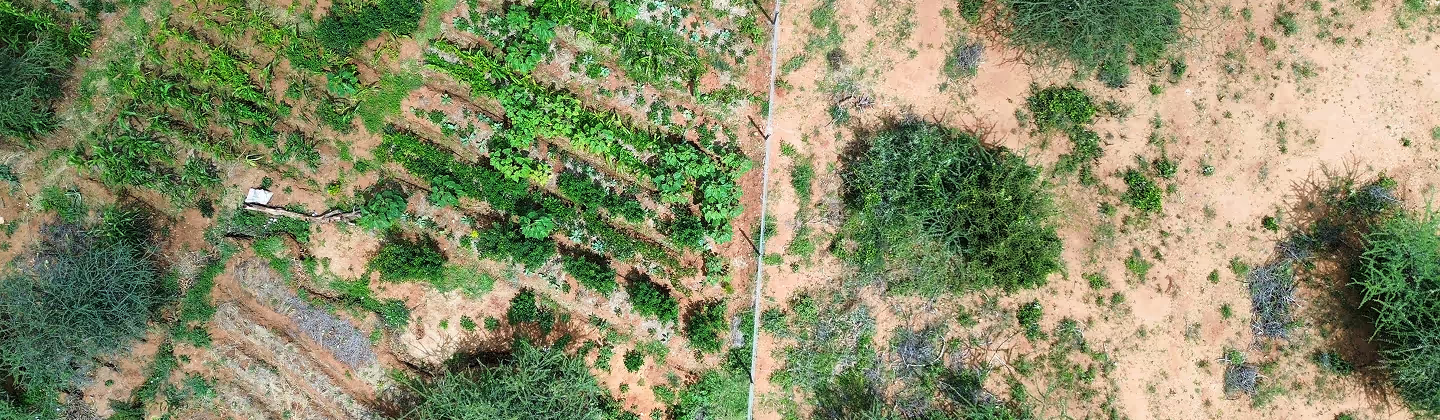
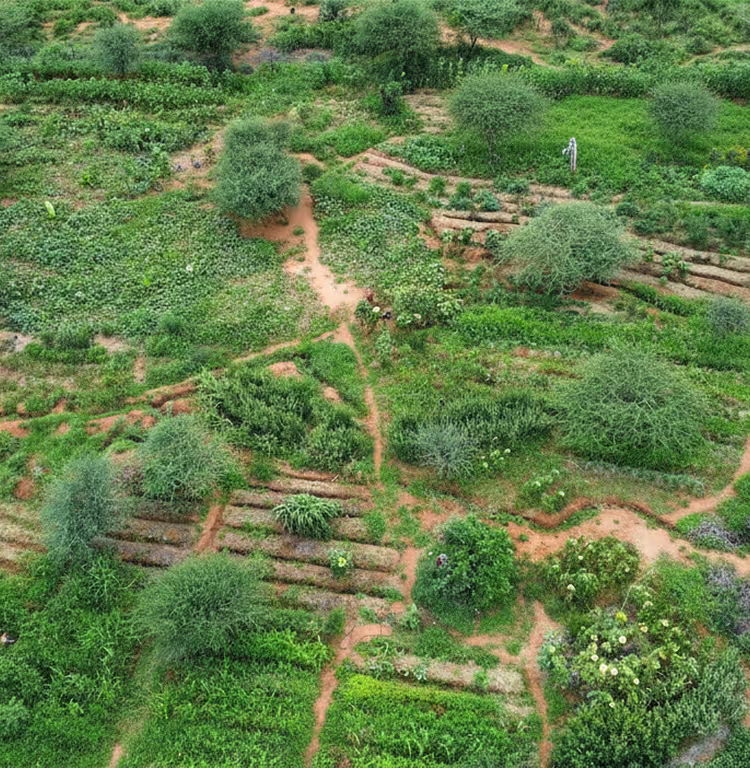
A year and a half ago, we started farming for the first time in this dry land. We were herders and mothers who only knew livestock, but we believed something could grow. Now our permaculture farm is like an oasis, full of vegetables and fruit. Each harvest shows our hard work and the hope we planted.
A member of Chui Mama's womens group
A lot of groups came before, but PARC was the first to bring us water and then train us to manage it ourselves. We now have a committee, and skills in money and technical management. We feel empowered to run our own water project.
A committee member from Lokusero water project
Engaged with training in 2025
Completed in 2025
Undertook training during 2025
Surveyed during 2025 to guide interventions
-1.svg)
