
Water is the source of life and access to clean drinking water is the foundation of all our community projects.

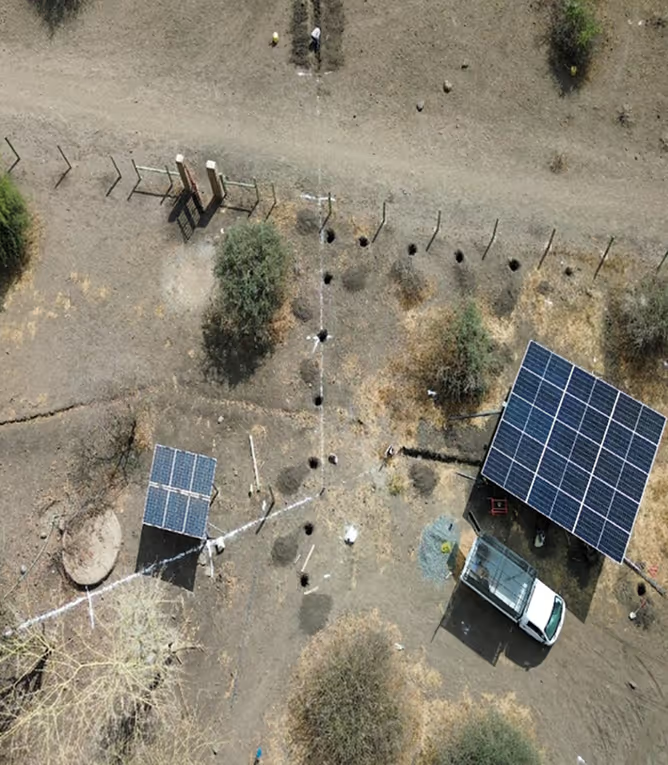
Refurbishing and solarising defunct boreholes allows for a cost-effective delivery of clean water to a large number of people with immediate positive (link to impact section) for the entire community.
Lack of local technical know-how, insufficient maintenance funding and poor local governance of existing water points mean that too many water projects in sub-Saharan Africa fall into disrepair after only a few years. The PARC approach is designed to mitigate these risks through:
Our careful adaptive design of each project, remote monitoring software and technical warranties from trusted suppliers (managed by PARC’s expert engineers and technicians) promote the quality and long-term technical viability of our water projects.
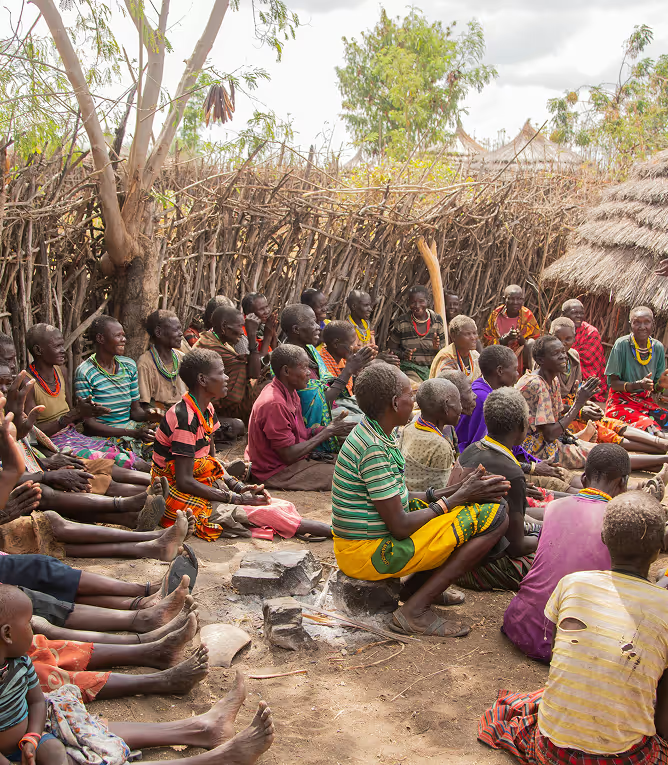
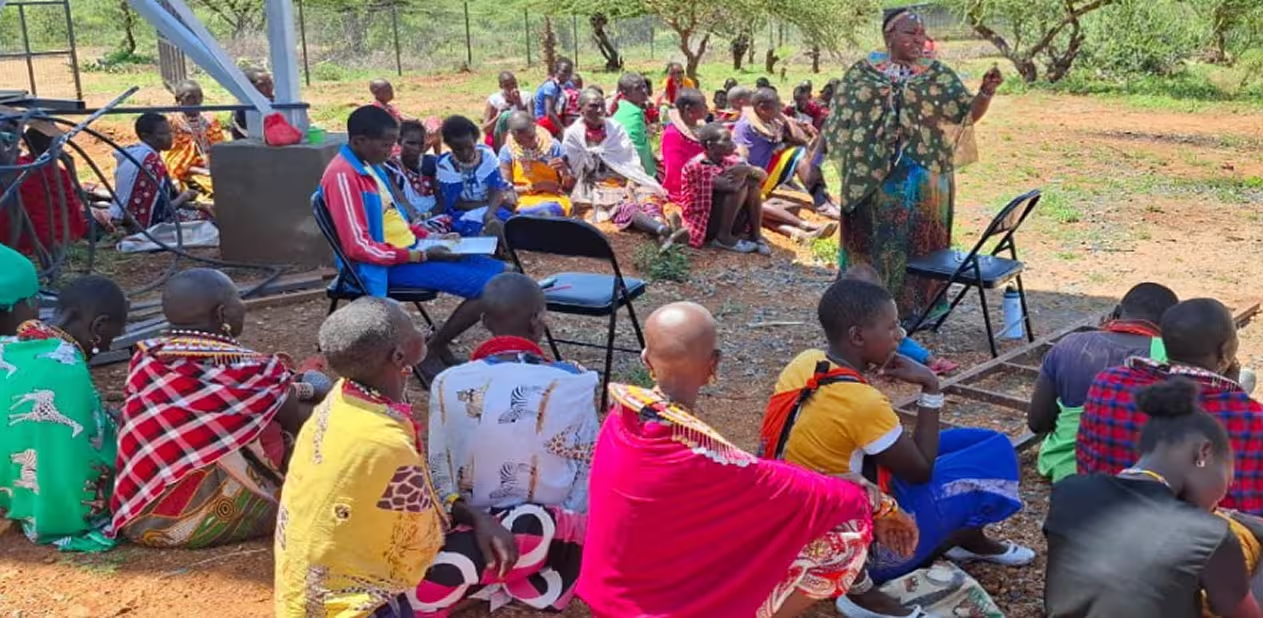
Our technical trainings and governance capacity building (including training community plumbers and establishing water committees and maintenance funds) are at the heart of our community ownership model.
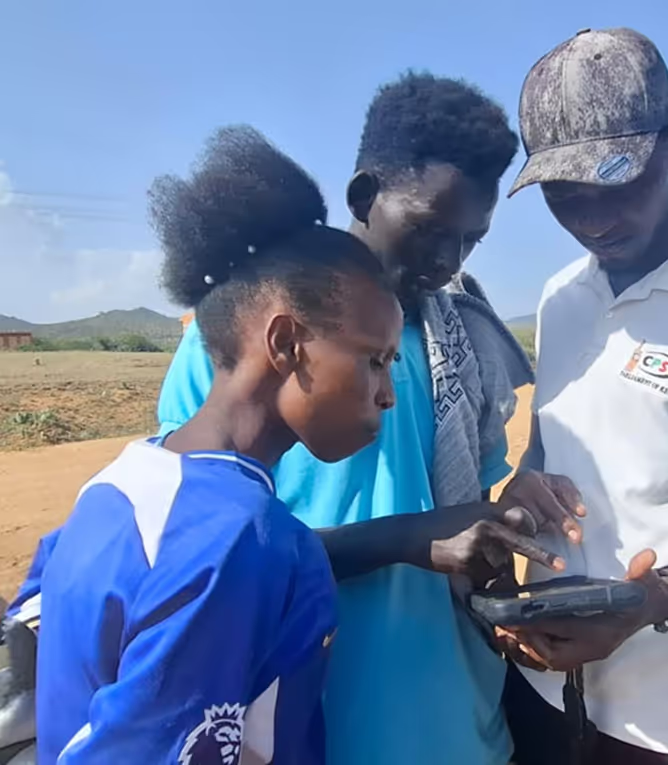
Continued mentoring and regular surveys through our team of community liaison officers ensure problems are quickly identified and resolved, and robust data underpins our impact matrix. Additional enterprise projects (farming, poultry, apiary) help PARC remain embedded in the community for the longer-term.
Empowering women through conservation farming
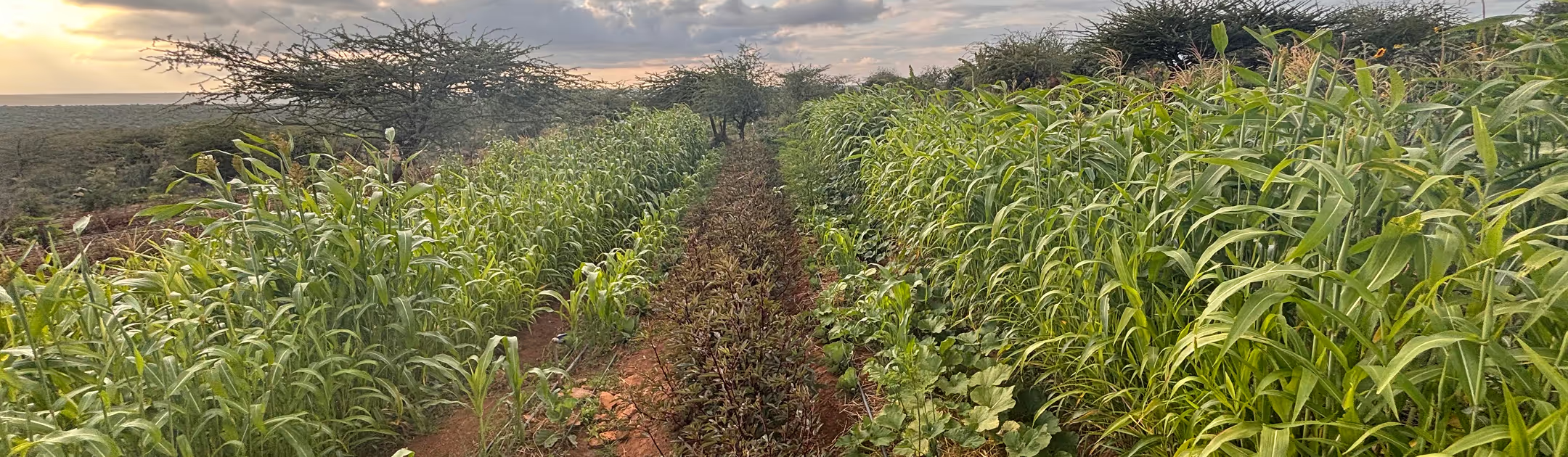
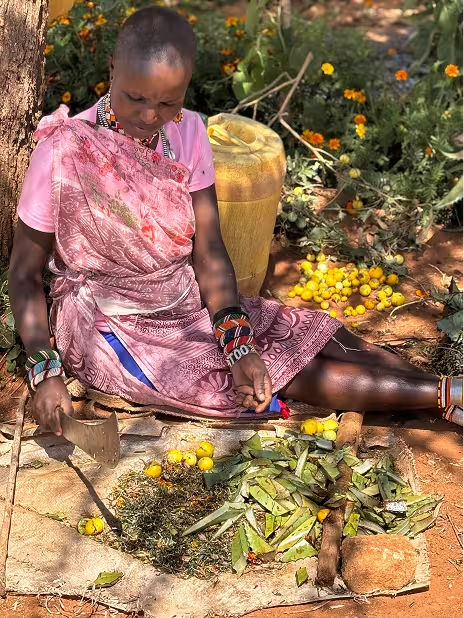
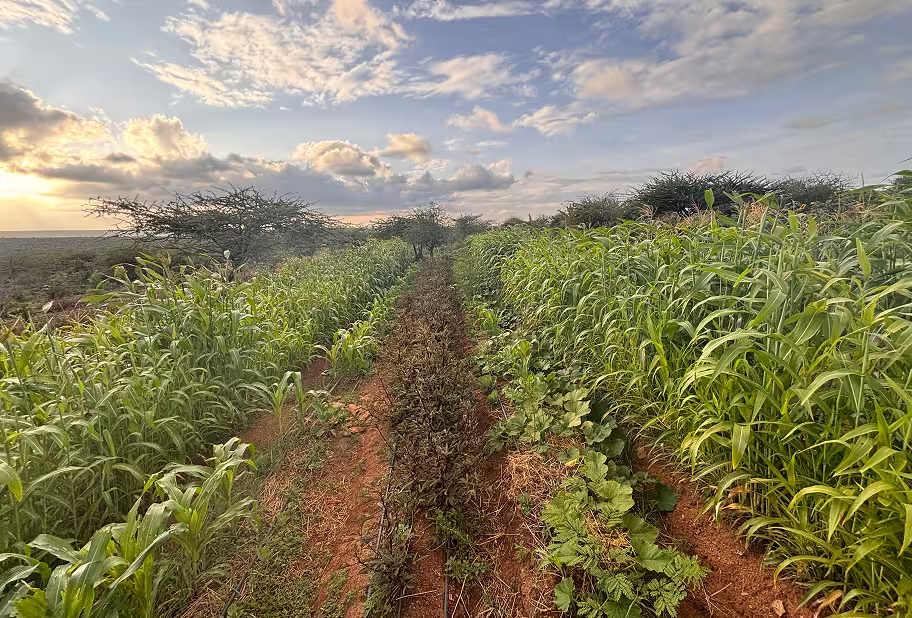
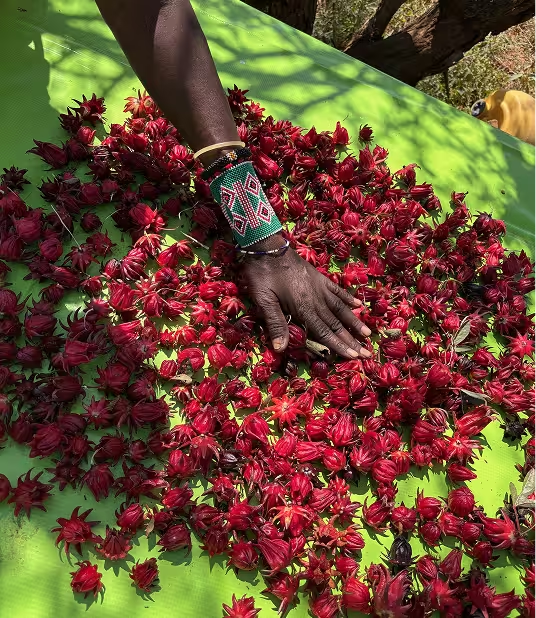
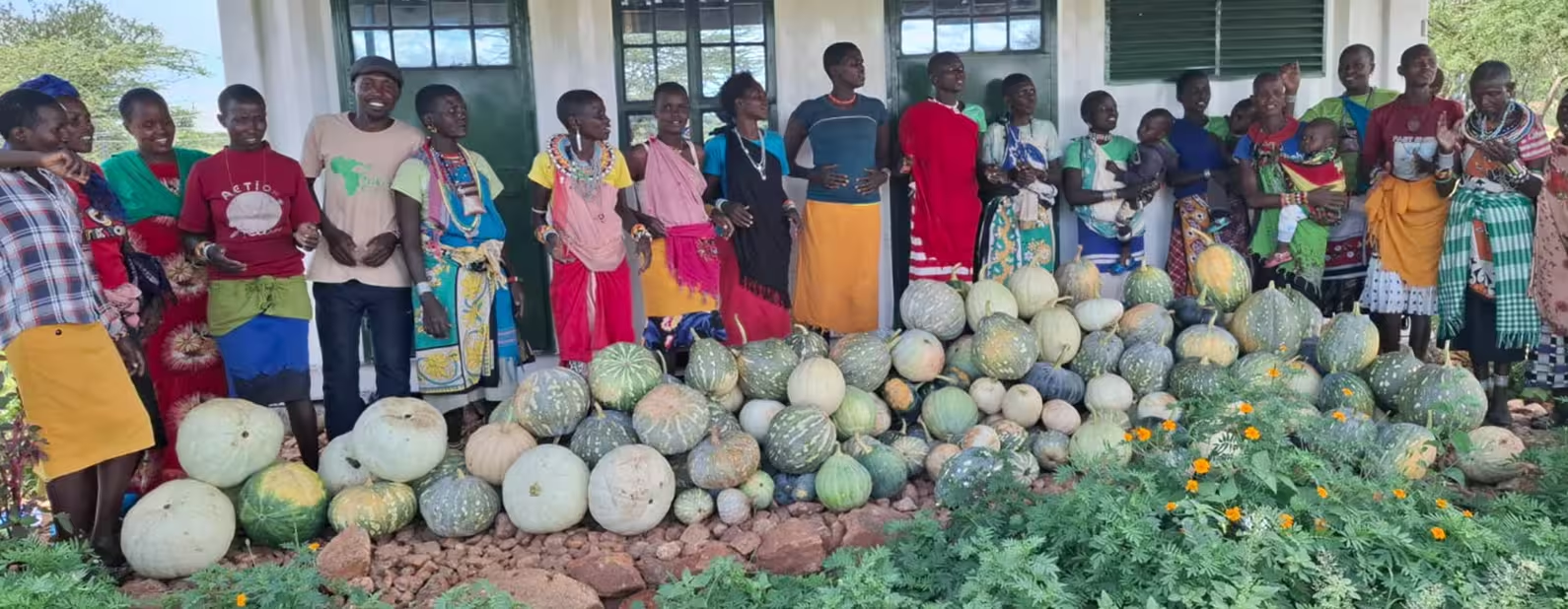
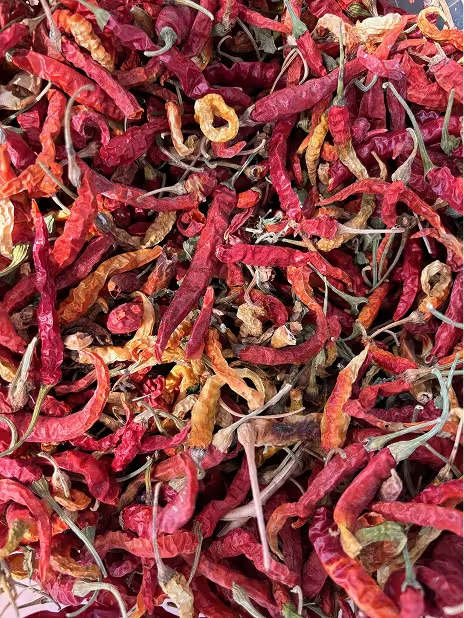
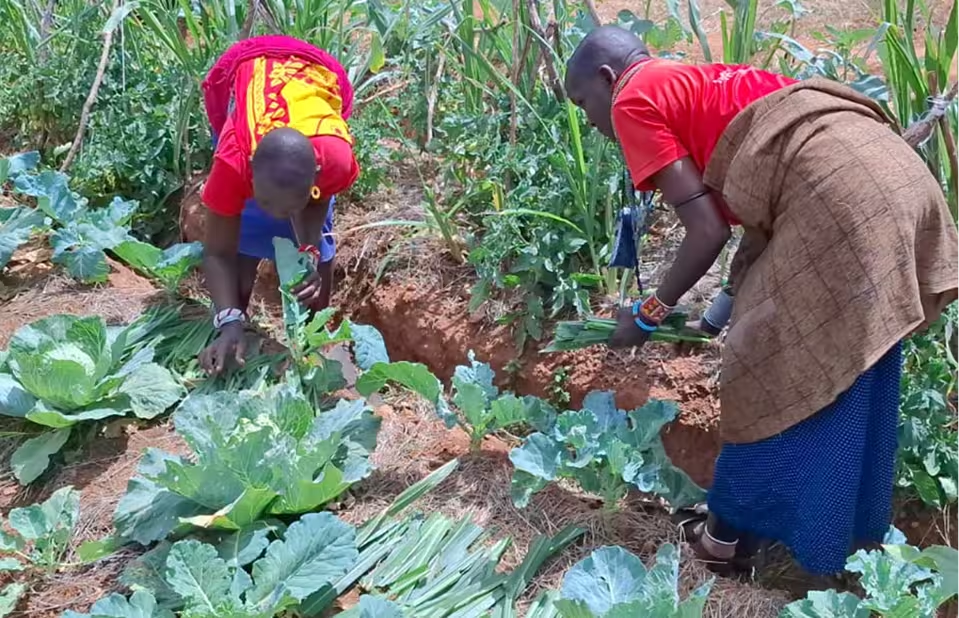
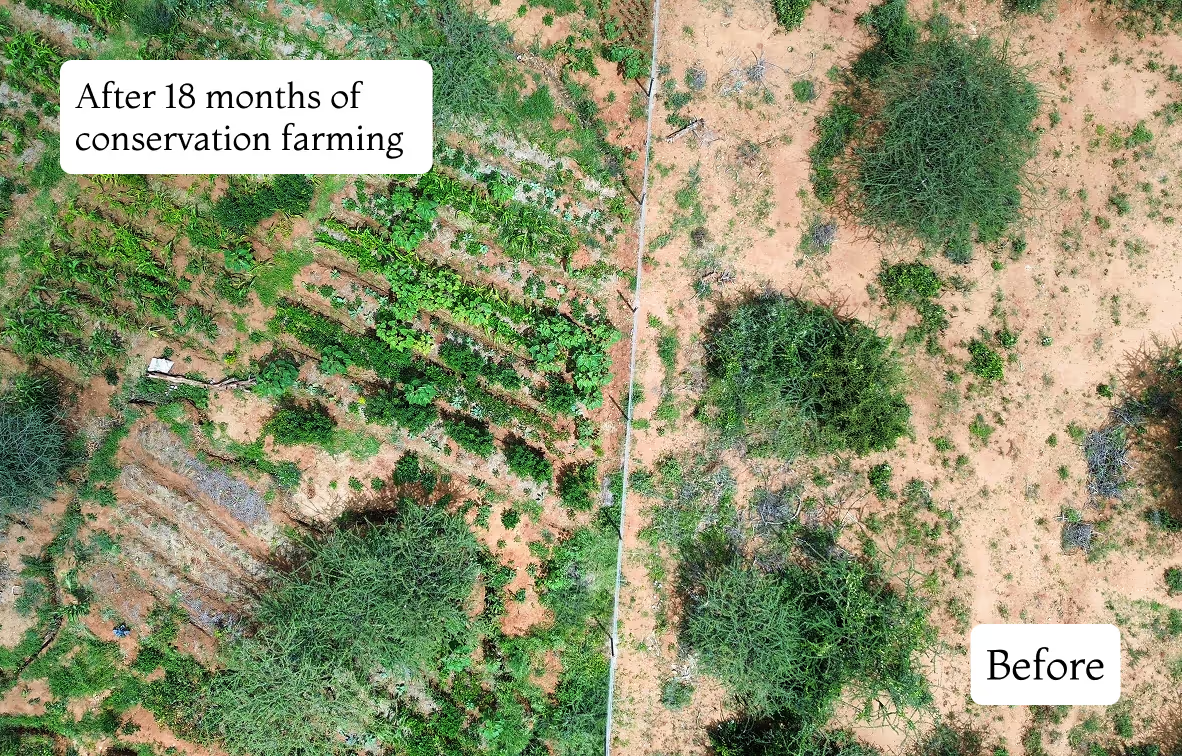
PARC has partnered with the Chui Mamas women’s group at Ewaso to create the first farm operated entirely by women in a pastoralist Masai community in Laikipia.Growing their own nutritious food to improve the health of these women and their families, empowering them with new skills to nurture the land and creating additional enterprise opportunities for them as we assist in both processing their cash-crops and bringing them to market.
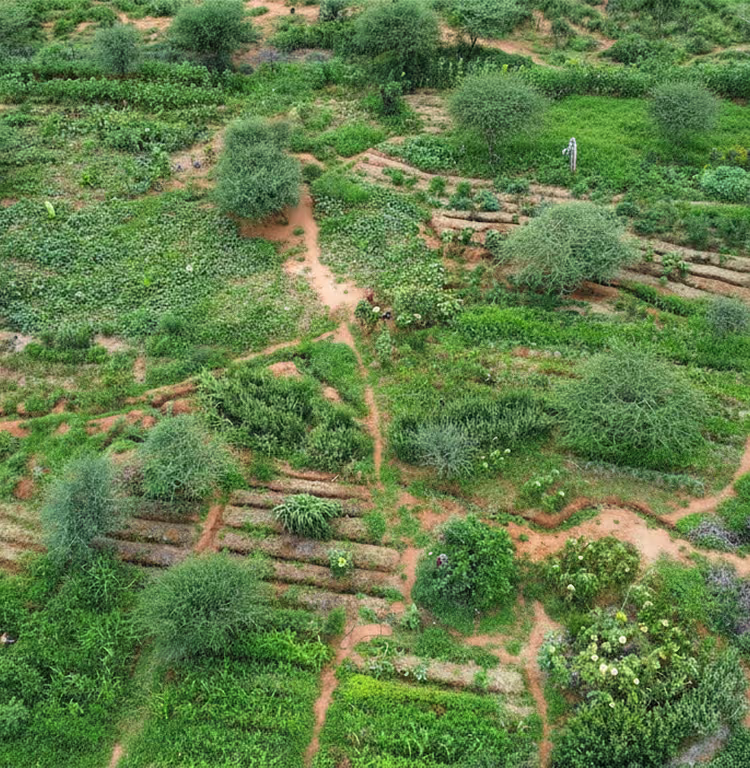
Teaching conservation farming skills, providing the infrastructure for the 5 acre Chui Mama farm and supporting the women with the setup costs of establishing yielding crops is having a palpable impact as a variety of fresh produce new to the community is making its way onto people’s plates and school menus.

Our first apiary projects will be implemented in 2026
Beekeeping has long formed part of a way of life in rural Kenya, most commonly at a local subsistence level and reserved for the men of the community.
With Kenya importing some 80% of its honey, there is an untapped potential for scaling sustainable community beekeeping in the semi-arid lands of Kenya into viable businesses while supporting much needed pollinators and promoting biodiversity.
PARC offers trainings, equipment and routes to market to empower local women’s groups to create women -owned and -run beekeeping enterprises.

The first poultry projects will be implemented in 2026
Keeping chickens is a common low-input, high-resilience enterprise practiced by many households across rural Kenya.
PARC provides funding, training and infrastructure to empower local women’s groups with new skills and additional income from poultry farming enterprises.
Engaged citizens and accountable institutions are key to unlocking Africa’s potential for grassroot community-driven development.
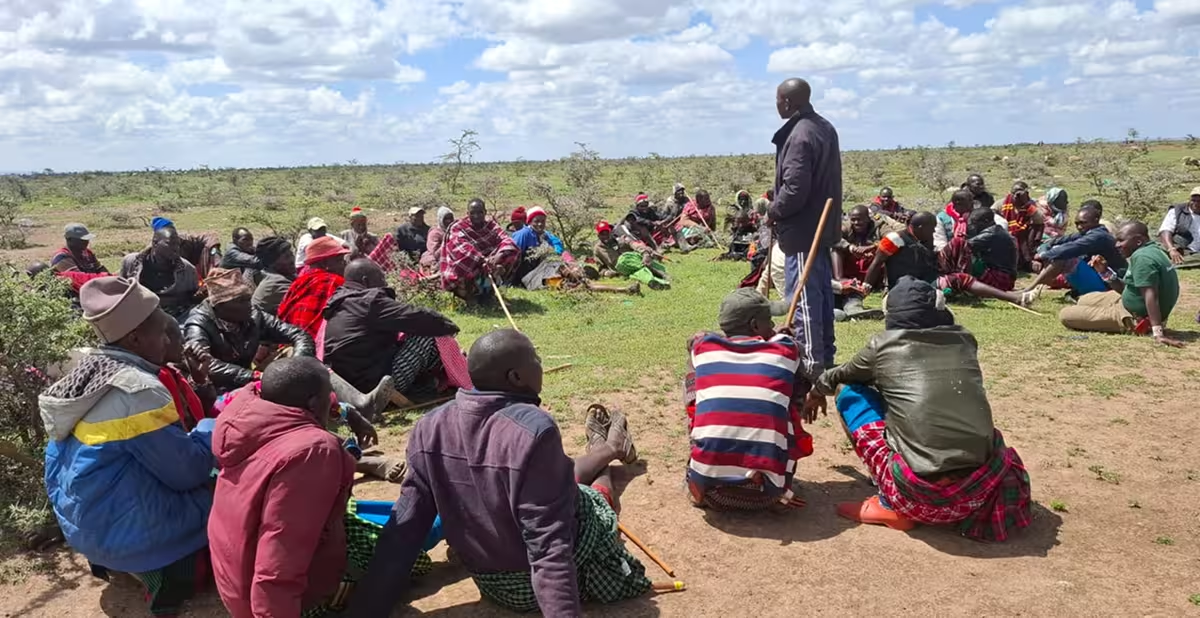
Community participation and ownership throughout the journey - from planning to delivery to ongoing management - is critical to the long term success of any project and at the heart of the PARC community engagement. Our water projects embed us and build trust within the community, while our surveys and ongoing mentoring allow us to be responsive and adaptive to evolving community needs.
At the same time, our trainings around technical maintenance, governance, business planning, financial management and reporting support both the immediate aim of smooth running projects that equitably serve the community, as well as the longer term objective of enhancing the communities’ capacity to plan and engage with donors (and local government) to address needs that extend well beyond the PARC scope.
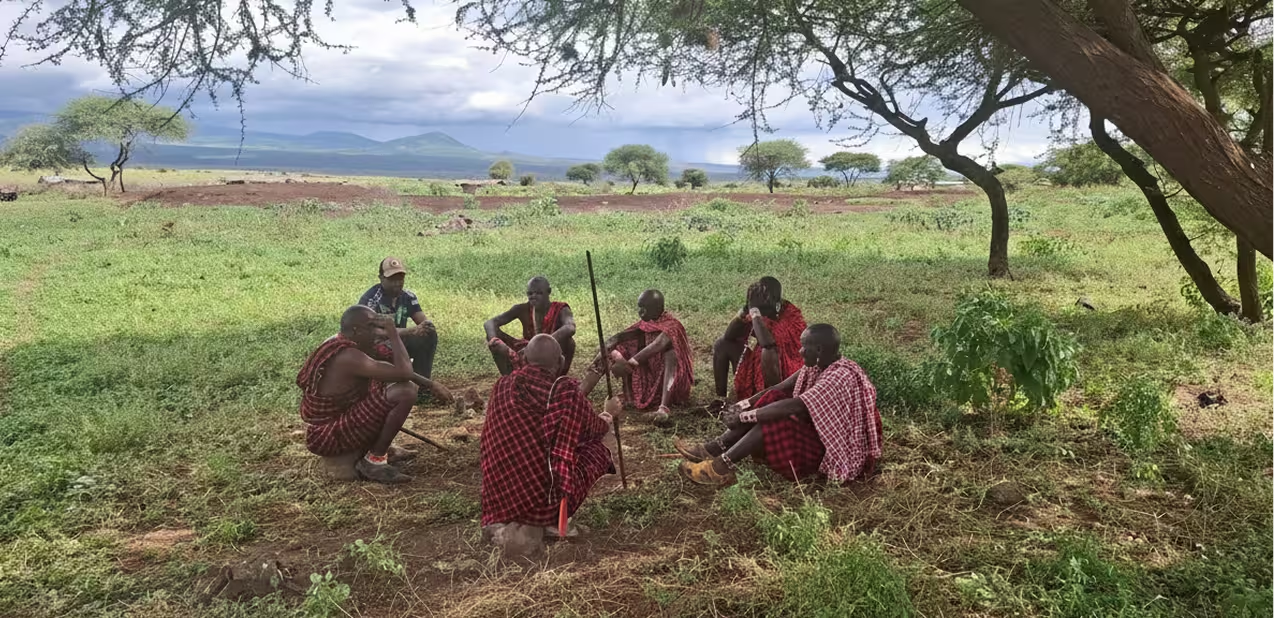
PARC is developing partnerships with like-minded organisations to implement a holistic landscape approach connecting population hubs, grazing lands, wildlife corridors and protected areas through land restoration projects and regenerative grazing practices.
We are currently scoping out partners to magnify the impact of individual PARC projects within a broader landscape approach.
-1.svg)
